Introduction
A ladle shroud, long nozzle, shrouding pipe, or pouring tube is a highly critical refractory component in continuous steel casting. It is a hermetically closed tube between the tundish and ladle so that molten steel will pass unbroken but be shielded from atmospheric contamination. Steel quality would otherwise be severely degraded by oxidation, turbulence, and the formation of inclusions if not utilized.
Function and Role
The primary purpose of a ladle shroud is to protect molten steel as it moves from ladle to tundish. The protection has a number of goals:
- Prevents re-oxidation by forming a protective shield between molten steel and air.
- Reduces nitrogen pickup, which can embrittle steel.
- Minimizes splashing and turbulence, thus allowing inclusions to float out in the tundish.
- Creates a stable and consistent steel flow essential to the production of flawless billets or slabs.
Briefly, the ladle shroud is a critical component in the chain of casting processing that has a direct influence on yield, cleanliness, and overall process stability.
Design and Construction:

Ladle shrouds are built with precise geometry to achieve maximum flow and reduce thermal stress. Bell-shaped and reverse taper design are common configurations, which are useful in managing flow velocity and preventing turbulence.
They typically connect to the ladle nozzle using conical or butt joints for a tight and air-tight fit. A standard shroud consists of multiple sections:
- Bell section: Is joined to the ladle and provides a tight seal.
- Barrel section: Main channel that guides molten steel into the tundish.
These elements work in concert to enable smooth, controlled transfer with structural integrity under harsh conditions.
Materials and Properties
High-performance refractory materials are used to withstand the corrosive conditions of molten steel handling. Compositions common are:
- Al₂O₃-C (alumina-carbon)
- Al₂O₃-ZrO₂-C (alumina-zirconia-carbon)
- Quartz refractories
Key characteristics required are:
- Thermal shock resistance to endure rapid heating during preheating and casting.
- High mechanical strength to resist damage when handled.
- Corrosion and erosion resistance to attack by molten steel and slag.
- Advanced designs frequently feature composite layers or protective coatings to enhance longer service life and better performance under severe casting schedules.
Types and Variations
Ladle shrouds are classified based on:
Gas purging capability:
Some have argon flow integrated to avoid nozzle clogging and improve cleanliness.
Shape and immersion technique:
The shapes vary with or without the shroud being completely immersed or partially immersed in the tundish.
Throughput Capacity:
Bore diameters increased for high-volume casting and decreased bore for high-precision flow control.
Performance Features and Innovations
Performance relies on design and material engineering. Key developments are:
- Carbon-free liners to achieve better insulation and reduced thermal stress.
- Optimized bore diameters to reduce turbulence and increase flow rate.
- Flow control enhancements such as internal coatings to prevent inclusion buildup.
- Nanotechnology-derived additives for improving erosion resistance and service life.
Installation and Use
It is necessary for proper installation to prevent leakage and for safety. Ladle shrouds can be installed by hand or with hydraulic or pneumatic manipulators. A gas-tight rigid fit with inert gas purging at the connection point minimizes oxidation risk.
Manufacturers and Product Solutions
There are a number of world-class manufacturers of ladle shrouds for special casting processes. Hyre is one of the trustworthy suppliers in this category, offering high-performance, long-lasting ladle shrouds with precise engineering. Hyre’s ladle shrouds are engineered for extended service life, enhanced thermal shock resistance, and dependable operation under high casting loads.
Challenges and Operational Issues
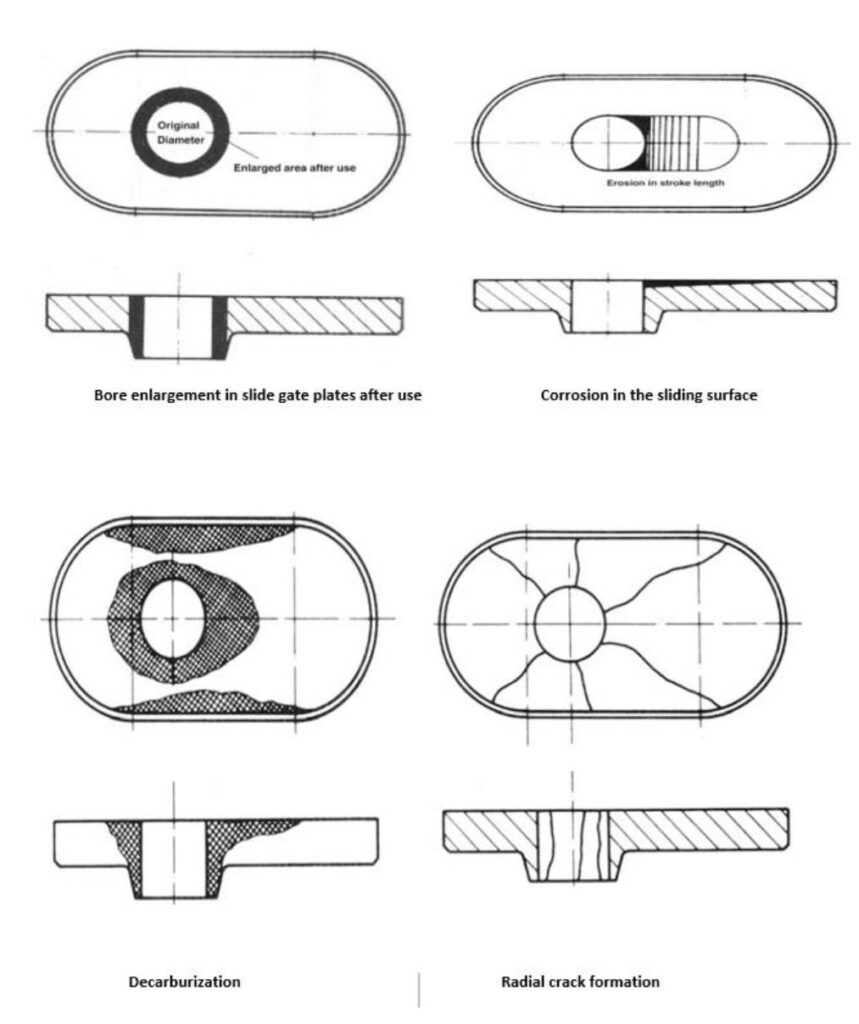
Typical issues are thermal-mechanical stress cracking, wear, and clogging of the bore due to inclusion build-up. Steel quality is compromised and production is disrupted when a ladle shroud is compromised. Steel grade, casting rate, and ladle condition must be carefully selected to minimize downtime and ensure product quality.
Conclusion
Ladle shroud is more than a pipe. It’s a technologically advanced refractory product that is essential to safely and efficiently transferring molten steel from ladle to tundish. Through re-oxidation prevention, reduced turbulence, and stable flow capability, it protects product quality and plant performance. With innovative designs and material improvements from a reliable supplier, Hyre is able to increase casting efficiency and maintain higher quality levels and also offers custom solutions to accommodate special plant needs, enabling steelmakers to build cleaner and more efficient operations.