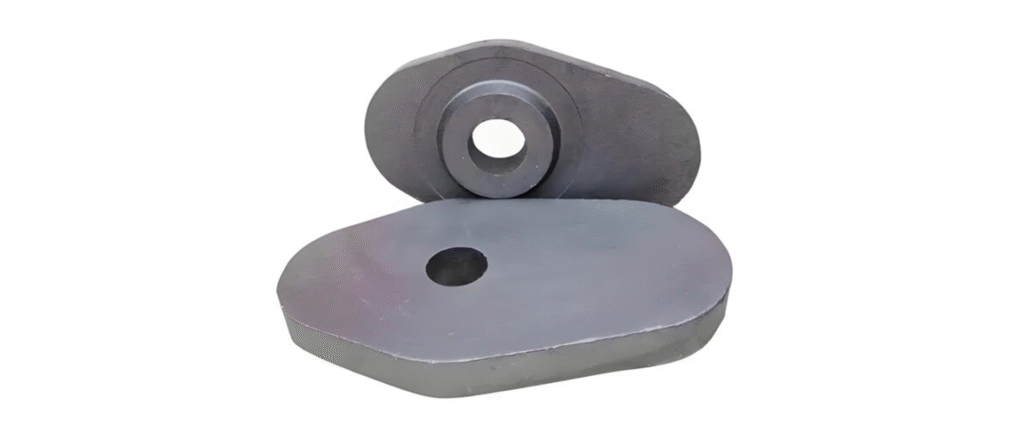
Slide gate plates are vital components in the steelmaking process, specifically in ladle or tundish casting systems, where they are used to regulate the flow of molten steel. The plates, which form part of the sliding gate system, control the opening and closing of the molten steel passage, ensuring that the steel flows smoothly into molds for continuous casting.
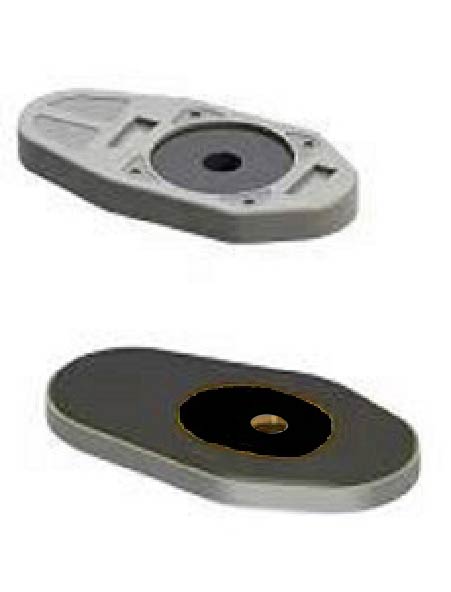
The key function of slide gate plates includes:
- Precise Flow Control: By adjusting the position of the plates, operators can precisely control the flow rate and timing of the molten steel, which is critical for the production of high-quality steel products.
- Stable Pouring Process: The plate system helps maintain a consistent flow of steel, which minimizes impurities and prevents issues such as overfilling, underfilling, or splashing during the casting process.
- Enhanced Safety and Efficiency: The automation of the slide gate system allows for faster, more reliable adjustments, reducing the risk of human error and improving the overall efficiency of the steelmaking process.
- Reduction in Material Waste and Cost: A high-quality, durable slide gate plate reduces the frequency of replacements and minimizes steel wastage due to leaks, clogging, or misalignment.
Despite their importance, slide gate plates tend to be one of the first components to fail due to their constant exposure to high temperatures, molten steel, and mechanical stress. Therefore, improving the lifespan of slide gate plates is crucial for the overall efficiency, safety, and cost-effectiveness of steelmaking operations.
Common Failure Mechanisms of Slide Gate Plates
To enhance the lifespan of slide gate plates, it is essential to understand the various failure mechanisms they face. These mechanisms are often caused by a combination of thermal, chemical, and mechanical factors.
1. Thermal Shock and Mechanical Stress
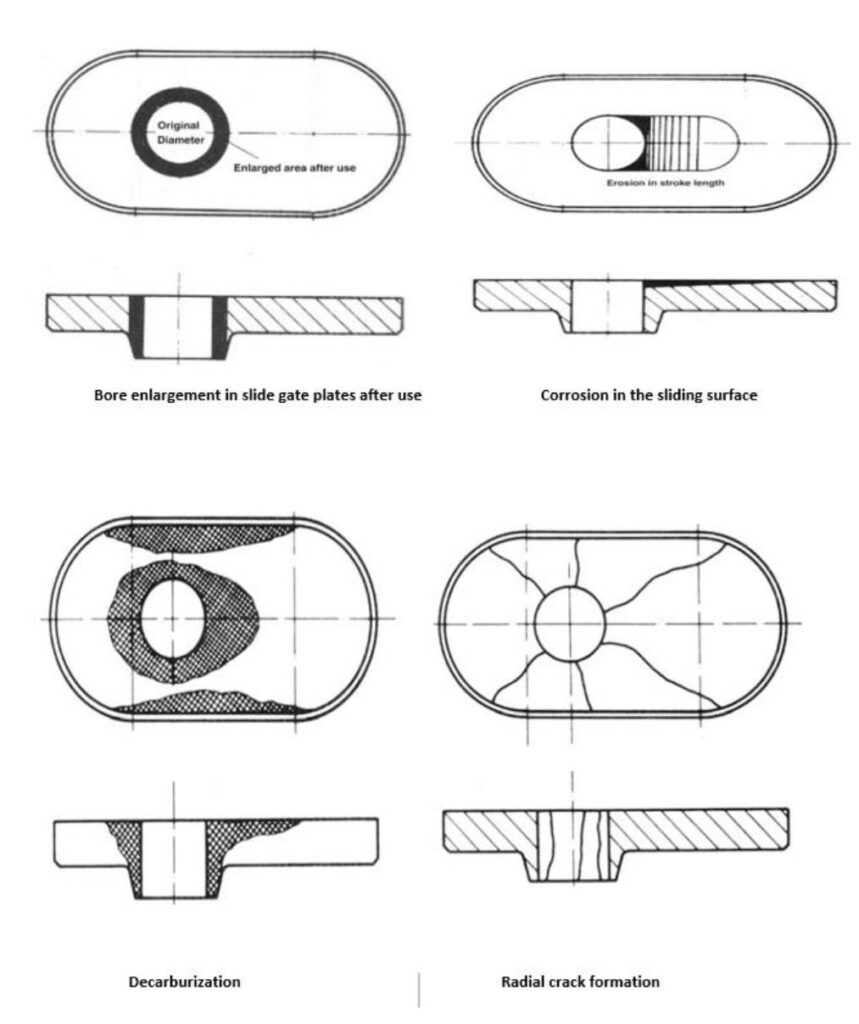
Slide gate plates are exposed to rapid temperature changes when they come into contact with molten steel, which can reach temperatures of around 1600°C. This thermal shock creates significant stress, leading to cracking and thermal fatigue. The temperature differential between the molten steel and the cooler plate can result in expansion and contraction that causes the material to crack, particularly around the flow opening.
In addition to thermal stress, the mechanical forces exerted during the sliding operation can also cause cracks, erosion, or even complete failure of the plates.
2. Thermochemical Corrosion
Slide gate plates are in constant contact with molten steel, slag, and other high-temperature liquids that can be chemically aggressive. The steel and slag often contain oxides, such as silicon dioxide (SiO₂), manganese oxide (MnO), and calcium oxide (CaO), which can react with the plate’s material, leading to the formation of low-melting-point compounds that erode the surface.
Carbon-based plates, like Al–C or Al–Zr–C materials, are especially vulnerable to oxidation in the presence of oxygen, which can lead to pore formation and structural breakdown.
3. Mechanical Wear and Improper Installation
Mechanical wear from repeated sliding and interaction with the nozzle or refractory materials can cause significant wear and tear on the plate surface. Additionally, poor installation and inadequate sealing can result in stress concentration, leading to cracks, leaks, or even full-scale failures of the system.
Operational factors, such as frequent adjustments to the plate or excessive oxygen blowing, can further accelerate wear and contribute to premature failure.
Strategies to Improve the Lifespan of Slide Gate Plates
Several strategies can be employed to extend the lifespan of slide gate plates. These strategies involve advancements in materials, design, installation, and operational processes.
1. Material Selection and Composition
The material composition of the slide gate plate is one of the most important factors influencing its lifespan. Several types of refractory materials are used, each with different advantages and disadvantages depending on the steelmaking process and operating conditions.
- Alumina (Al₂O₃) Based Plates: These are common, cost-effective materials for molten steel handling. They offer decent high-temperature resistance but may lack sufficient chemical corrosion resistance and thermal shock stability.
- Alumina–Carbon (Al–C) Plates: These plates incorporate graphite or other carbon-based compounds to improve thermal conductivity, reduce thermal expansion, and enhance sliding performance. However, carbon is susceptible to oxidation at high temperatures, leading to reduced plate lifespan.
- Alumina–Zirconia–Carbon (Al–Zr–C) Plates: These materials are particularly useful in demanding applications such as high-alloy steel or stainless steel production. Zirconia improves corrosion resistance and thermal shock stability, making it a preferred choice for extended lifespans.
- Magnesia-Stabilized Zirconia (Mg-ZrO₂) Inserts: For extremely high-demand conditions, such as continuous casting of specialty steels, the use of zirconia inserts can drastically improve the resistance to corrosion, high temperature, and mechanical wear.
Recommendation: For standard carbon steel production, alumina-based or alumina-carbon materials may suffice. However, for stainless steel or high-alloy steels, it is recommended to use high-end materials like Al–Zr–C or zirconia-based inserts, which offer superior resistance to both thermal shock and chemical attack.
2. Optimizing Design and Geometry
In addition to material selection, the geometry and design of the slide gate plate can significantly influence its performance and lifespan. Using advanced computer-aided design (CAD) and finite element analysis (FEA), engineers can optimize the shape and structural integrity of the plates to reduce stress concentration points and improve durability.
- Shape and Thickness: The design of the plate should reduce thermal and mechanical stresses. For example, reducing thickness at high-stress points or using a multi-layered design can help absorb thermal expansion more effectively.
- Load Distribution and Clamping: Modern designs use more sophisticated clamping mechanisms that distribute the load evenly across the plate, preventing localized stress accumulation that could lead to cracks or failure.
- Sealing and Sliding Mechanisms: Ensuring tight seals around the sliding mechanism and optimizing the plate’s sliding surfaces can prevent leaks and improve the sliding life.
3. Automation and Gas Protection Systems
Integrating automation into the slide gate system can help improve the consistency of operations and reduce human error. Automated hydraulic or electric actuators allow for precise control of the plate’s movement, ensuring accurate flow rate regulation and reducing the likelihood of mechanical wear due to improper adjustments.
Additionally, using inert gas purging systems or nitrogen gas protection can help minimize exposure of the plate material to oxygen, thereby reducing oxidation and extending its lifespan.
4. Regular Maintenance and Monitoring
Regular maintenance and timely monitoring of the slide gate plates are essential to maximizing their lifespan. Steel plants should implement a proactive maintenance schedule based on operational data, such as the number of heats processed, the temperature of the steel, and the frequency of adjustments.
Key maintenance practices include:
- Cleaning: Regularly cleaning the nozzle, slide plate, and refractory components to prevent slag buildup and ensure smooth operation.
- Inspection for Cracks and Wear: Visual inspections and non-destructive testing (e.g., ultrasonic testing or thermal imaging) can help identify cracks, erosion, or wear before they cause catastrophic failure.
- Replacing Seals and Gaskets: Over time, seals and gaskets can degrade, leading to leaks and reduced efficiency. These should be checked and replaced periodically.
5. Operational Best Practices
- Minimize Thermal Cycling: Minimize the number of thermal cycles (the rapid heating and cooling of the plate) by ensuring smooth transitions between operations. This can be achieved by adjusting the timing of casting operations and optimizing steel ladle cycle times.
- Control Oxygen Blowing: Excessive oxygen blowing during cleaning or steel pouring can cause erosion of the plate material. It is critical to control the oxygen flow and avoid direct contact with the slide gate plate to prevent damage.
- Optimization of Casting Cycles: Ensuring that casting cycles are optimized for the specific material and ladle size can help reduce the stress on the gate plates, ensuring that they are not subjected to unnecessary wear or high thermal cycling.
Case Study: Implementation of Advanced Slide Gate Plate Systems
A notable example of improving slide gate plate lifespan comes from a steel plant that implemented an advanced slide gate system using alumina-zirconia-carbon (Al–Zr–C) materials. The system showed a significant increase in lifespan, from an average of 5 heats per plate to over 8 heats per plate, which resulted in reduced downtime, fewer replacements, and lower overall material costs.
By optimizing the plate’s geometry and integrating automated control systems, the plant was able to reduce mechanical wear and improve precision in molten steel flow control. Additionally, nitrogen gas purging systems were implemented to protect the plates from oxidation, further extending their usable life.
Conclusion and Future Directions
Improving the lifespan of slide gate plates is essential for the overall efficiency and cost-effectiveness of steelmaking operations. Through material selection, design optimization, automation, and proper maintenance, it is possible to significantly extend the life of these critical components.
The future of slide gate plate technology lies in the continued development of high-performance refractory materials, advanced design and simulation tools, and intelligent monitoring systems that can predict failures before they occur. By adopting a comprehensive approach to plate life extension, steelmakers can improve their productivity, reduce operational costs, and enhance safety.
For future improvements, it is recommended to explore:
- The use of high-end refractory materials with superior thermal shock resistance and corrosion properties.
- More advanced clamping and sealing mechanisms to improve plate performance.
- The integration of smart monitoring systems for predictive maintenance and performance optimization.
Incorporating these technologies will help steel plants achieve better reliability, lower maintenance costs, and ultimately enhance the economic and environmental sustainability of steel production.