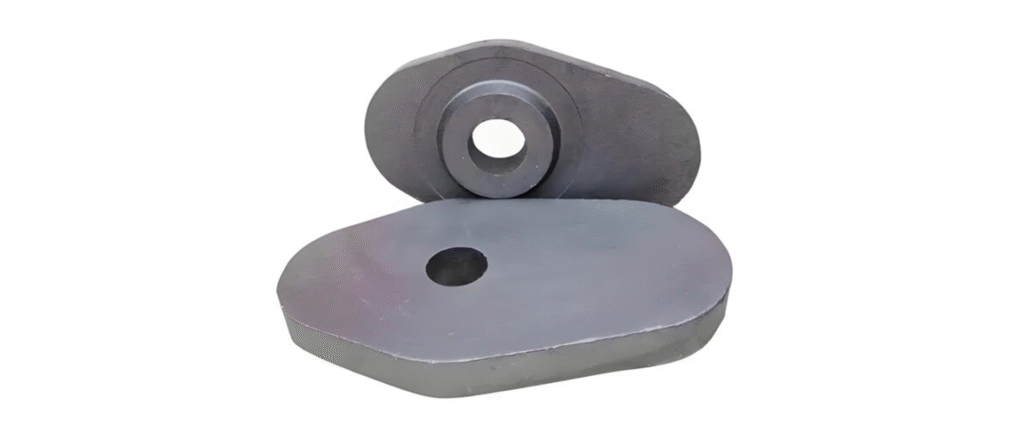

You can extend the life of your slide gate plate by selecting high-quality materials, employing effective operating methods, and performing regular maintenance. Understanding the common slide gate plate problems allows you to prevent premature wear. By focusing on the main factors that cause damage to the slide gate plate, your equipment will operate more efficiently and have a longer service life.
Key Takeaways
- Pick tough materials like zirconia inserts or alumina-carbon plates. These can stand up to heat, rust, and wearing out.
- Warm up slide gate plates slowly before use. This helps stop cracks and makes them last longer when casting steel.
- Check and clean plates often. This helps you find damage early and keeps plates working well.
- Put on special coatings and treatments. These help protect plates from rust and wearing out.
- Be gentle when putting in and fixing plates. This stops damage and helps plates work better.
Wear Causes
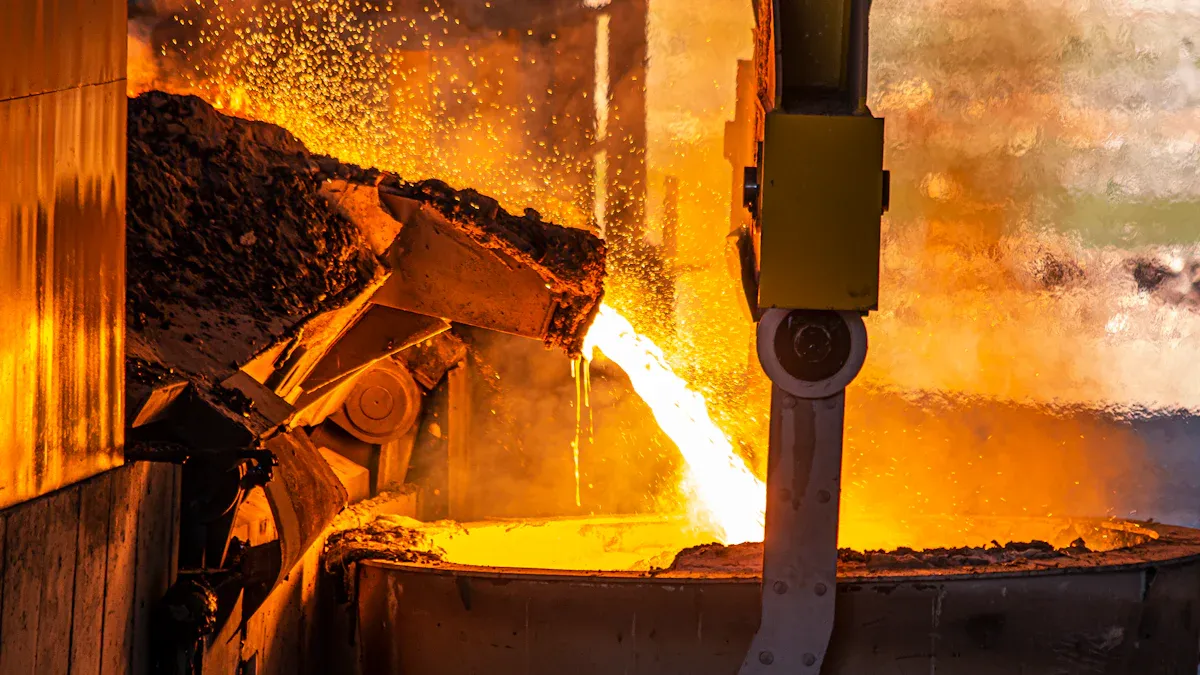
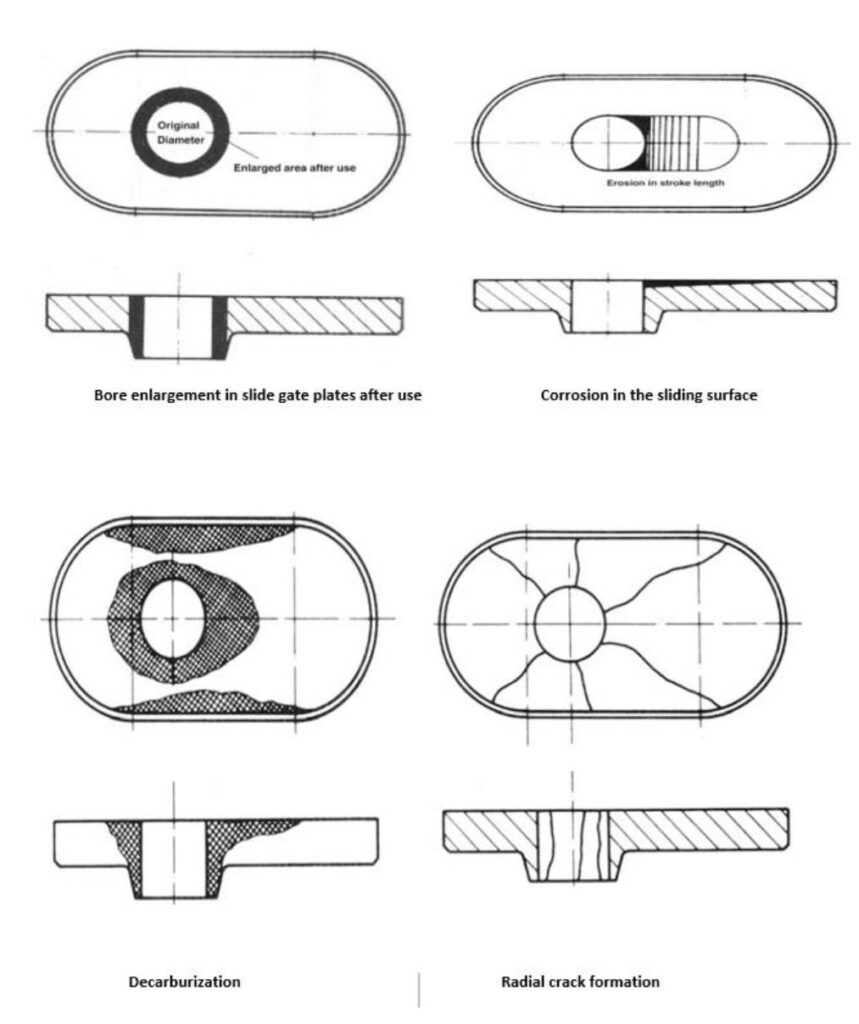
Knowing what causes wear helps you make your slide gate plate last longer. There are four main ways the plate gets worn out: mechanical abrasion, chemical corrosion, thermal shock, and decarburization. Each one harms the plate in its own way.
Bore Erosion
Bore erosion means the hole in the plate gets bigger as time passes. This happens for a few reasons:
- Calcium vapor can attack the plate if there is a lot of calcium in the steel. Calcium reacts with alumina in the plate. This makes a horseshoe-shaped worn area.
- Molten steel flowing fast can scrape the plate. A bigger hole and faster flow make this worse.
- Quick temperature changes and cooling with argon gas can shock the plate. This stress can break off pieces.
- Metal or slag can get into the plate’s pores. This is more likely if the metal is very runny.
These things make it harder to control how steel flows. They also make the plate wear out faster. The size and overlap of the hole matter too. A big hole with little overlap makes more turbulence and wear. A small hole with more overlap makes it harder to control the flow.
Tip: Picking the best material for your slide gate plate can help slow down bore erosion. Harder materials do not wear away as fast.
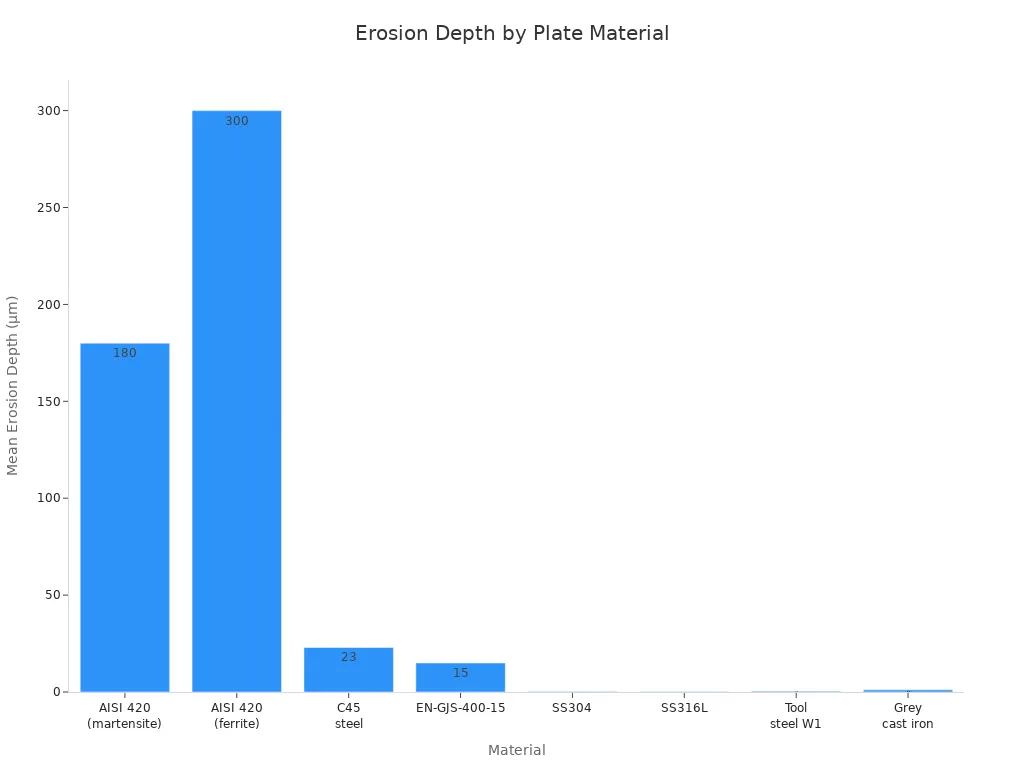
Here is a table that shows how well different materials stand up to bore erosion:
| Material | Microstructure | Hardness (HV or HB) | Mean Erosion Depth (μm) |
|---|---|---|---|
| AISI 420 (martensite) | Martensite | 270 HV0.2 | 180 |
| AISI 420 (ferrite) | Ferrite and carbides | 210 HV0.2 | 300 |
| C45 steel | Ferrite and lamellar pearlite | N/A | 23 |
| EN-GJS-400-15 | Ferrite and nodular pearlite | N/A | 15 |
| SS304 | Austenite | 94 HV | 0.21 |
| SS316L | Austenite | 84 HV | 0.25 |
| Tool steel W1 | Martensite | 81 HV | 0.45 |
| Grey cast iron | Graphite in pearlite | 79 HV | 1.1 |
Surface Corrosion
Surface corrosion happens when the plate’s surface reacts with hot steel and slag. Here are some reasons why:
- High heat makes the plate react with steel and slag.
- Oxygen in the steel attacks carbon in the plate. This is worse in carbon-containing refractories.
- Calcium, manganese, and iron in the steel can attack the plate.
- The plate’s materials and steel can react to make soft compounds. These speed up erosion.
- Cracks from thermal shock let bad stuff in, which makes corrosion worse.
Surface corrosion makes the plate rough. Grains can peel off. Metal tongues can form between plates. This makes the plate less smooth. It can also cause leaks or sticking when the plate is used.
Decarburization
Decarburization means the plate loses carbon from its surface. This happens when:
- Manganese oxide in steel reacts with alumina and silica in the plate. This makes new compounds and breaks down the plate’s surface.
- Iron oxide and manganese oxide in slag react with carbon in the plate. This takes away carbon and makes the surface loose.
- Too much oxygen during use burns away more carbon.
When the plate loses carbon, it gets rougher and less slippery. This makes more friction and wear. It is worse when tapping steel with lots of oxygen. Decarburization also makes the plate weaker. It can break down faster.
Radial Cracks
Radial cracks form because of strong heat and force. Here are the main reasons:
- Molten steel over 1600°C touches the bore and heats it fast. The outside stays cool.
- This big temperature change makes strong stress. It can crack the plate from the hole outward.
- Plates with more thermal conductivity and strength, like those with extra carbon or zirconia, do not crack as easily.
- Steel casing around the plate can help stop cracks.
Radial cracks let bad stuff get into the plate. This makes chemical attack and erosion happen faster. Cracks also make the plate weaker. It can fail sooner.
Note: You can help stop radial cracks by using plates that handle heat shock better and by preheating the plate before use.
Slide Gate Plate Materials
Refractory Choices
Picking the right refractory can help your slide gate plate last longer. Each material has its own strengths for steel casting. High alumina, aluminum-carbon, aluminum-zirconium-carbon, magnesium-carbon, and zirconium-based refractories all help plates stand up to heat and chemicals. Plates made from Al2O3-C or MgO-C can take heat up to 1800°C. These materials fight off chemical attack from molten steel and slag, so they last longer. Plates with zirconia, like Al2O3-ZrO2-C, are even tougher. They resist wear and sudden temperature changes. You can use these plates for many types of steel and in hard casting jobs. Some zirconia plates, like LV180, last about 30% longer than regular Al2O3-C or MgO-C plates.
Tip: Pick a refractory that is dense and not very porous. This keeps steel and slag from getting inside the plate.
Here is a table that shows how zirconia-based and alumina-carbon materials compare:
| Property | Zirconia-based (ZrO2) Material | Alumina-Carbon (Al-C) Material |
|---|---|---|
| ZrO2 + Al2O3 Content (%) | ≥90 | N/A |
| Al2O3 Content (%) | N/A | ≥75 |
| Carbon Content (%) | ≤1 | ≤5 |
| Bulk Density (g/cm³) | ≥3.20 | ≥3.10 |
| Apparent Porosity (%) | ≤4 | ≤4 |
| Cold Bending Strength (MPa) | ≥25 | ≥25 |
| Cold Crushing Strength (MPa) | ≥180 | ≥180 |
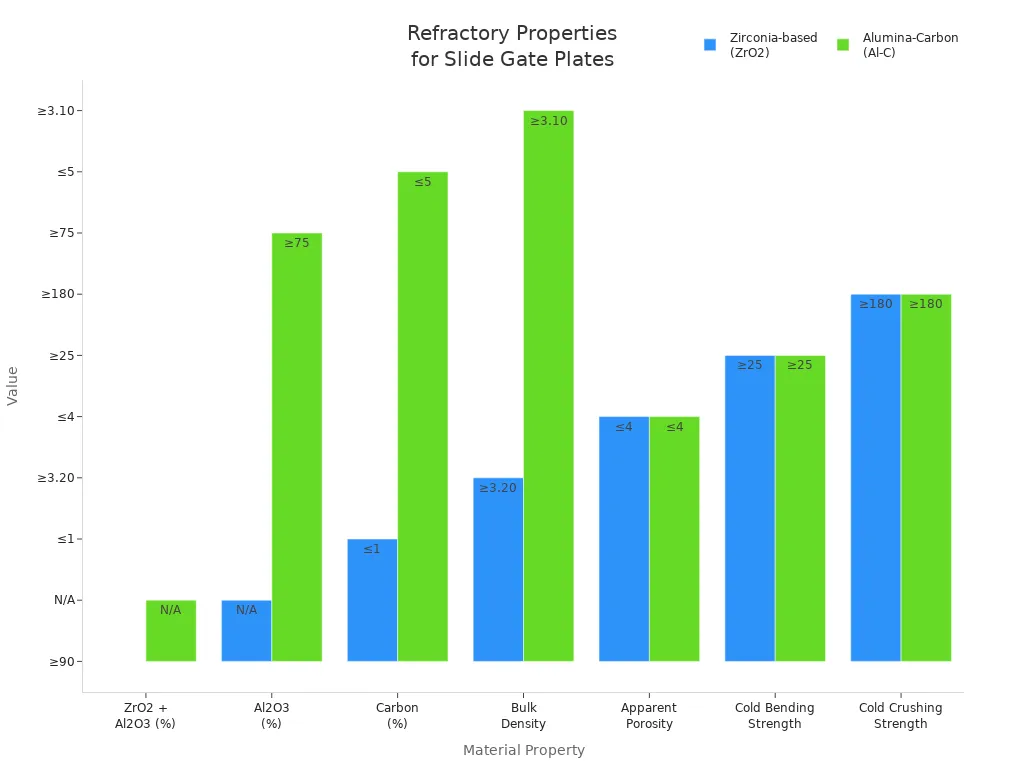
Zirconia-based refractories are denser and have less carbon. This makes them better at stopping corrosion and handling heat. Both types are strong, but zirconia-based plates usually last longer when things get tough.
New bonding methods help too. If you use a design with parts you can replace, the joints stay strong. This stops oxidation and flaking. Your plate can last 20-40% longer. The next table shows how different materials and bonding methods change service life:
| Material Type | Service Life (Furnaces) | Key Improvements |
|---|---|---|
| Magnesium Carbon | 2 – 3 | Baseline material with standard properties |
| Aluminum Carbon | 2 – 6 | Improved oxidation and wear resistance |
| Aluminum Zirconium Carbon | 3 – 6 | Enhanced thermal shock stability and corrosion resistance |
| Aluminum Zirconium Carbon with Zirconium Inlaid Rings | 4 – 8 (max 8) | Advanced bonding technology significantly increases oxidation resistance, wear resistance, thermal shock stability, and corrosion resistance, nearly doubling service life and reducing replacement frequency and labor intensity |
Coatings & Treatments
Special coatings and treatments can make your slide gate plate stronger. These coatings protect against corrosion, scratches, and heat shock. The thickness and how you put on the coating are important. If it is too thin, it will not protect well. If it is too thick, it might crack or peel off.
| Aspect | Influence of Coating Thickness and Application Method |
|---|---|
| Corrosion Resistance | Optimal thickness creates an impermeable barrier protecting substrate; too thin leads to rust; too thick causes cracking or peeling. |
| Mechanical Strength | Proper thickness resists scratches and impacts, maintaining structural integrity under industrial wear. |
| Adhesion and Flexibility | Ensures secure adhesion and flexibility, important for thermal expansion and mechanical stress. |
| Application Challenges | Complex geometries and manual application can cause uneven thickness; automated electrostatic systems improve uniformity and precision. |
Note: Using machines to coat the plate helps make the layer even. This helps the plate last longer and cuts down on waste.
Some plates also get impregnation treatments. These fill up the tiny holes in the refractory. This makes it harder for steel or slag to get inside. It helps the plate wear out more slowly and stay strong when temperatures change fast.
Zirconia Inserts
Zirconia inserts can help your slide gate plate last much longer. These inserts use pure zirconia, often with magnesia to make them stable. They can take high heat and fight off chemical attack from molten steel.
- Zirconia inserts can make your plate last 2-3 times longer.
- When the insert wears out, you can just swap it for a new one.
- These inserts are great at stopping erosion and keep their shape after many uses.
- The smooth insert surface helps control molten steel flow. This stops leaks and keeps slag out.
- Zirconia does not expand much, so there are fewer cracks and less sticking.
Zirconia inserts work better than Al2O3-C and Al2O3-ZrO2-C. Plates with these inserts can last through more than 20 casting cycles. The special structure of zirconia gives it strength and keeps it stable. This helps the plate handle heat shock and corrosion, even in the hardest steelmaking jobs.
Tip: For the best results and longest life, pick a slide gate plate with a zirconia insert. You will spend less time fixing it and get better casting every time.
Operation & Maintenance
Preheating
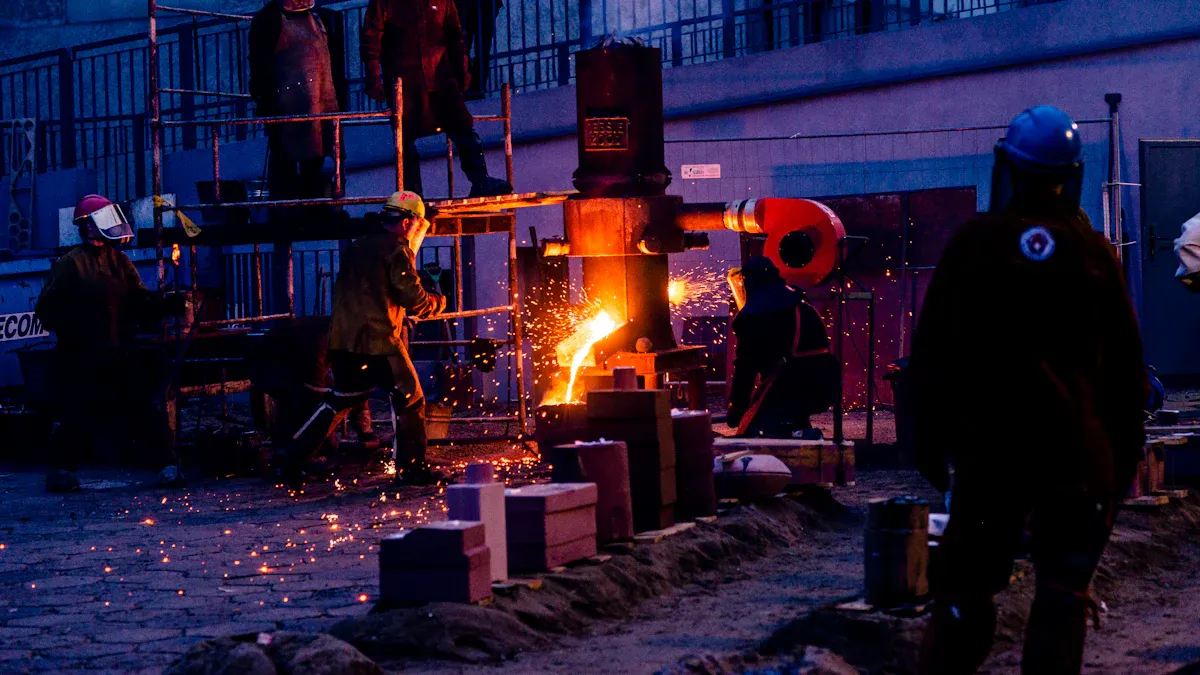
Preheating your slide gate plate helps stop cracks. Warm the plate slowly so it does not break. Pick materials that stretch well and do not change size much. These materials can handle heat and do not crack easily. Make sure the plate and its parts grow at the same speed. This lowers stress when heating and cooling. Look at the plate often to find damage early.
Tip: Preheating keeps the plate from cracking and helps it last longer in hard casting jobs.
Usage Frequency
How much you use the slide gate plate changes how fast it wears out. If you use it a lot, it gets hot and cool many times. This makes it wear out faster. Check the plate after each casting and measure its thickness every day. If you use it less, it gets less stress and lasts longer. Then you can check and measure it once a week or every two weeks. The kind of molten metal also changes how fast the plate wears. Using the plate more means you need to check and fix it more often.
Inspection & Cleaning
Checking and cleaning your slide gate plate helps it work well. Here are some steps you can follow:
- Clean the sliding track often to get rid of dirt, stones, or snow.
- Use gentle soap and a soft brush to clean the plate. This stops scratches.
- Put silicone or graphite lubricant on moving parts. This lowers friction.
- Look for rust in joints and corners. Take off rust with a wire brush and use rust converter if needed.
- Make sure water does not stay on the plate to stop rust.
- Put coatings or sealants on the plate to protect it from weather.
- Have an expert check the plate once a year. They can look at the plate’s shape, how it works, and safety. They also do deep cleaning and add lubricant.
Note: Good checking and cleaning habits help stop early problems and keep your plate working well.
You can make your slide gate plate last longer by doing a few things. First, pick materials that work well with your steel and can fight off rust and wearing down. Next, check the parts often and change them if they look old. This keeps the seal tight. Use careful shaping and special coatings to help the parts fit better and stop steel from getting inside. When you put in plates and nozzles, do it slowly and use the right tools to line them up. Always follow the same steps for fixing and caring for the plate. Bake fire clay to stop leaks. Doing all these things helps your plate work better and saves you money.
FAQ
What is the best material for slide gate plates?
You get the longest life from plates made with zirconia inserts or high-density alumina-carbon. These materials resist heat and corrosion. They also handle thermal shock well. Choose dense, low-porosity plates for tough casting jobs.
How often should you inspect slide gate plates?
You should check the plate after every casting cycle. If you use it less, inspect it once a week. Look for cracks, erosion, and rough spots. Early checks help you catch problems before they get worse.
Why does preheating help slide gate plates last longer?
Preheating warms the plate slowly. This reduces stress from sudden temperature changes. You stop cracks from forming. Plates that get preheated work better and last longer in steel casting.
Can you reuse slide gate plates after cleaning?
You can reuse plates if they show no cracks or deep erosion. Clean them with a soft brush and gentle soap. Lubricate moving parts. If you see damage, replace the plate to keep your casting safe.
What causes radial cracks in slide gate plates?
Radial cracks happen when the plate heats up fast from molten steel. The inside gets hot while the outside stays cool. This stress makes cracks spread from the bore. Plates with good thermal conductivity resist cracking.