Introduction to Ladle Shroud
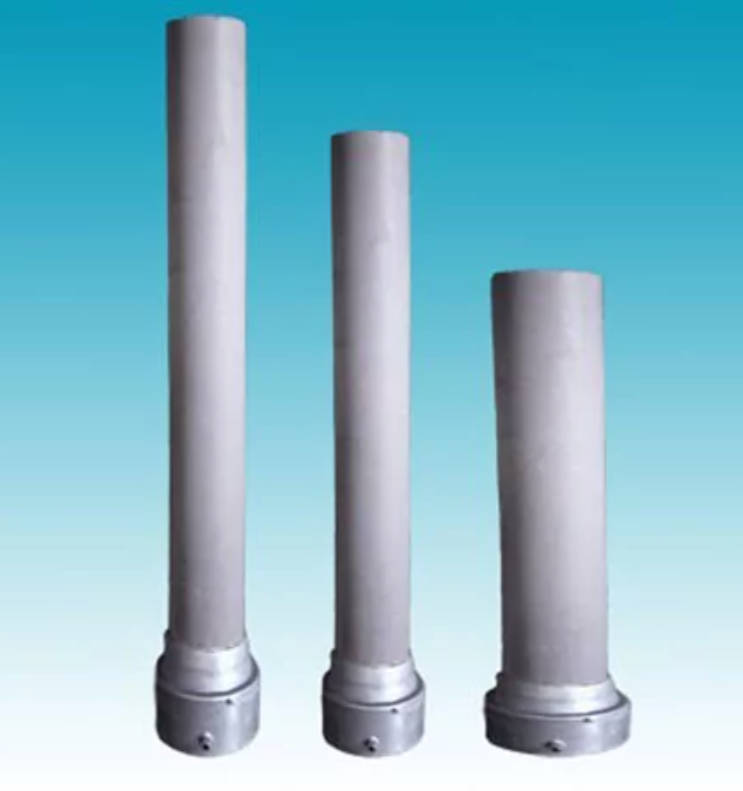
In the steel industry, a ladle shroud is a critical component used during the pouring of molten steel from the ladle to the tundish or directly to the mold in continuous casting. It serves as a protective cover and guiding mechanism that prevents steel from splashing, reduces heat loss, and limits contamination during the pouring process. The ladle shroud is part of the ladle nozzle system, which plays a significant role in the overall control of molten metal flow during casting.
In this detailed discussion, we will examine the function, construction, types, and maintenance of ladle shrouds, along with the materials used, their impact on steel quality, and future advancements.
Function of a Ladle Shroud
A ladle shroud is primarily designed to serve the following functions in the steel production process:
1. Prevention of Splashing and Metal Loss
One of the primary roles of the ladle shroud is to prevent the molten steel from splashing out of the ladle during transfer. Splashing can lead to a loss of metal, pose a risk to workers, and contaminate the steel by exposing it to air or atmospheric gases. The shroud effectively creates a controlled flow path that ensures molten steel exits the ladle in a steady, safe, and precise manner, minimizing the risk of spillage.
2. Reduction of Heat Loss
Molten steel is kept at high temperatures to prevent solidification and ensure the correct composition. A ladle shroud provides an insulated cover that helps reduce heat loss to the surrounding environment. This is crucial for maintaining the temperature of the steel as it flows into the tundish or mold, which is essential for quality control and process efficiency.
3. Protection Against Contamination
The shroud helps protect the molten steel from contamination by external elements, such as atmospheric gases (oxygen and nitrogen), dust, and other contaminants that may affect the chemical composition or the final quality of the steel. By reducing the exposure of the steel to the air, the ladle shroud also limits the formation of undesirable oxide layers on the surface of the molten steel.
4. Guiding the Flow of Steel
Ladle shrouds are designed to precisely control the flow of molten steel from the ladle to the tundish or mold. The flow must be uniform and steady to ensure optimal steel quality and prevent defects such as uneven solidification, improper mold filling, or air entrainment. The shape and design of the ladle shroud contribute significantly to achieving this controlled flow.
5. Reduced Turbulence
Turbulent flow of molten steel can lead to inclusions, unwanted air bubbles, or other defects in the steel. By guiding the steel in a smooth and controlled manner, the ladle shroud helps reduce turbulence during the pouring process, which contributes to improved steel quality and consistency.
Construction and Materials of a Ladle Shroud
The construction of a ladle shroud must withstand high temperatures, corrosive molten steel, and mechanical stresses. Several factors are considered during the design and material selection to ensure the shroud performs optimally.

1. Refractory Materials
The primary material used for ladle shrouds is a type of refractory, which is heat-resistant and durable under high-temperature conditions. The material must be chosen based on several factors, such as the type of steel being processed, the required temperature range, and the expected mechanical stresses during use.
- High Alumina Refractories: These refractories are commonly used in ladle shrouds because of their excellent resistance to high temperatures and molten steel erosion. They are often used in high-temperature steelmaking processes.
- Magnesia-Based Refractories: Magnesia is used for ladle shrouds because of its high melting point and excellent performance when exposed to basic slags.
- Zirconia-Based Refractories: Zirconia is particularly useful for extremely high temperatures and offers resistance to both thermal shock and chemical attack by molten steel.
2. Design Features
The design of a ladle shroud typically includes the following components:
- Shroud Tube: The main tube that guides the molten steel from the ladle to the tundish or mold.
- Refractory Lining: The inner lining of the shroud, made from highly durable refractory materials to resist wear from the molten steel.
- Nozzle or Plug: The nozzle at the bottom of the shroud that regulates the steel flow. The design of the nozzle controls the pouring speed and ensures smooth, controlled flow.
- Vent and Gas Holes: These holes help control the release of gas, preventing gas pockets or turbulence that could disrupt the flow of molten steel.
3. Insulation
The shroud is often insulated with materials such as ceramic fibers to prevent excessive heat loss. This helps maintain the temperature of the molten steel and ensures it remains within the desired range during the transfer process.
Types of Ladle Shrouds

Ladle shrouds come in several different types, depending on the specific application and steelmaking process. Below are the most commonly used types:
1. Open-End Shrouds
These are the most basic type of ladle shroud, where the open end of the tube directs the steel flow into the tundish or mold. The design allows for a wide range of flexibility but may not provide the same level of protection as other designs, particularly in preventing gas or air from entering the molten steel.
2. Closed-End Shrouds
Closed-end shrouds feature a sealed end with a nozzle or plug that helps to direct and regulate the flow of molten steel. This design provides more precise control over the steel flow, reduces turbulence, and minimizes the chances of contamination. Closed-end shrouds are used in applications where the flow of molten steel must be strictly controlled.
3. Shrouds with Gas Flow Systems
In some advanced applications, ladle shrouds are equipped with integrated gas flow systems that allow the injection of inert gases, such as argon or nitrogen, into the shroud. This helps to create a protective atmosphere around the molten steel, preventing oxidation and contamination.
4. Shrouds with Internal Guiding Systems
These shrouds are designed with internal structures to help further control the flow of steel. For example, internal baffles can guide the molten steel in a specific direction, ensuring a uniform flow into the tundish. These are particularly useful in applications where the steel is being poured into multiple molds or channels.
Maintenance and Replacement of Ladle Shrouds
To maintain optimal performance and longevity, ladle shrouds must undergo regular inspections and maintenance. Refractory wear, cracks, and erosion from molten steel can significantly affect the performance of the shroud. The following practices are recommended:
1. Inspection for Wear and Erosion
Regular visual inspections should be conducted to check for signs of wear, cracking, or damage to the refractory lining. Ultrasonic testing can also be used to detect internal fractures or erosion that might not be visible externally.
2. Replacement of Refractory Linings
The refractory lining of a ladle shroud is subject to constant wear due to the high temperatures and corrosive nature of molten steel. Over time, the lining may erode, affecting the flow of steel and increasing the likelihood of contamination. It is essential to replace the lining when it becomes worn or damaged to maintain the shroud’s effectiveness.
3. Nozzle Maintenance
The nozzle at the bottom of the ladle shroud is a critical component that controls the flow of molten steel. Nozzles should be regularly checked for wear and cleaned to prevent blockages. Any signs of damage to the nozzle, such as cracks or misalignment, should be addressed promptly to avoid disruptions in the casting process.
4. Proper Storage and Handling
Ladle shrouds should be handled with care to avoid physical damage during storage or transport. Proper storage conditions, including maintaining dry and clean environments, can prolong the lifespan of the refractory materials.
Materials Used in Ladle Shrouds
The materials used for ladle shrouds must possess specific properties, including high thermal resistance, chemical stability, and mechanical strength. The following are the main materials used:
1. Alumina (Al₂O₃) Refractories
Alumina-based refractories are the most commonly used materials in ladle shrouds. They provide excellent thermal resistance and are resistant to oxidation, making them suitable for high-temperature steel pouring processes.
2. Magnesia (MgO) Refractories
Magnesia-based refractories are used in ladle shrouds that deal with basic slags. They offer superior performance in the presence of high temperatures and have good resistance to slag corrosion.
3. Zirconia (ZrO₂) Refractories
Zirconia refractories are often used in high-performance ladle shrouds, particularly for very high temperatures. They are known for their excellent resistance to thermal shock and chemical attack.
4. Composite Materials
Composite materials, combining alumina with zirconia or magnesia, are also used in ladle shrouds to improve their overall performance, offering a balance of thermal, chemical, and mechanical resistance.
Conclusion
Ladle shrouds are essential components in the steelmaking process, serving a critical role in protecting the molten steel, improving flow control, reducing contamination, and preventing splashing or heat loss. By carefully selecting the right materials, optimizing design, and maintaining the shrouds regularly, steelmakers can ensure efficient, high-quality production.
In the future, advancements in refractory materials, automation, and gas flow control systems will continue to enhance the performance and lifespan of ladle shrouds. The ongoing development of smarter, more durable shrouds will further improve the safety, efficiency, and sustainability of steel production processes.